
Interior Decorating and Styling
Thoughtful design shapes the character of your home
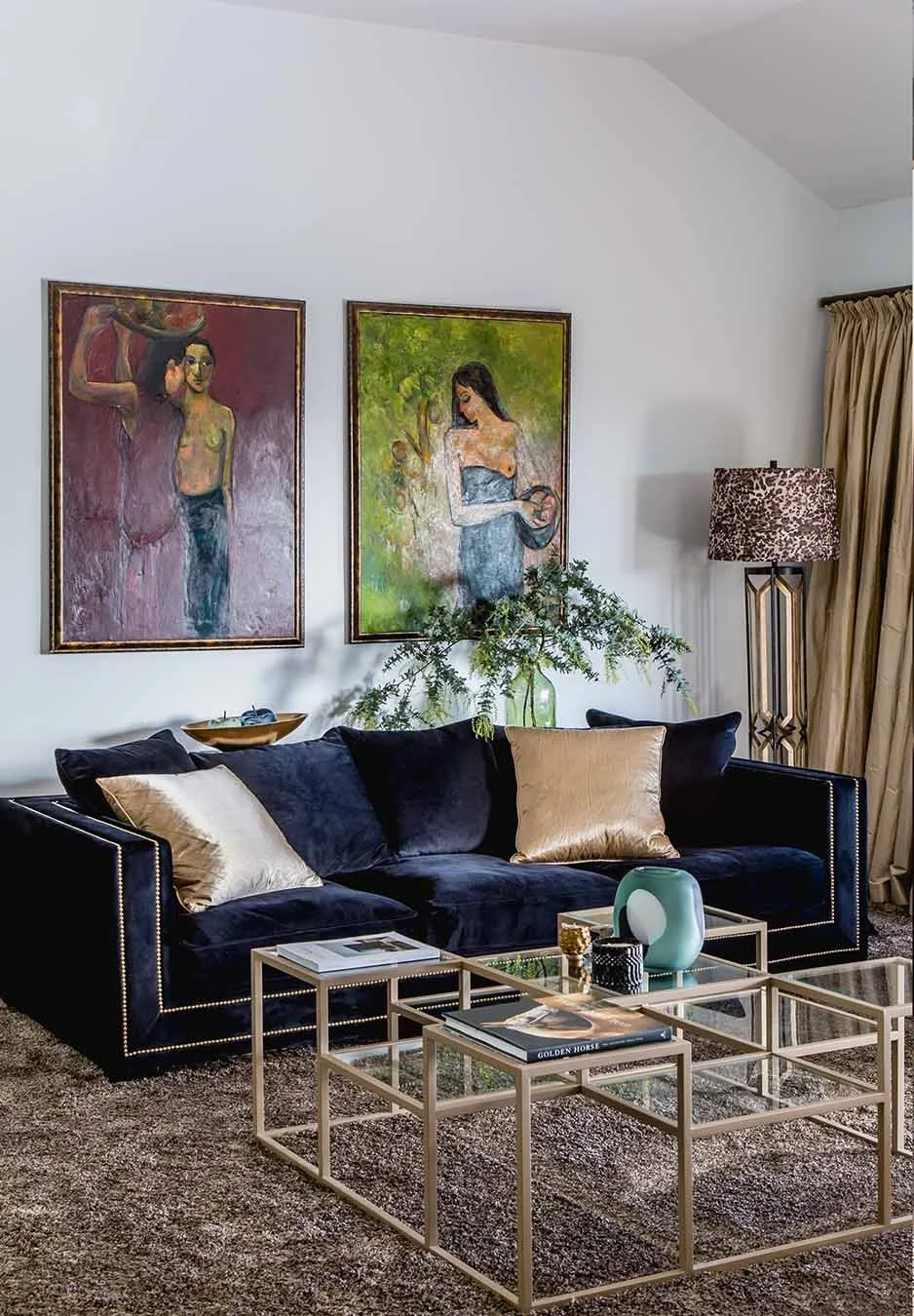
Interior decoration and styling influence how a home feels and functions. Furniture, artwork, lighting, rugs, window and soft furnishings all contribute to comfort and connection. Sally selects these elements with attention to proportion, placement, materials and your personal style.
Sally’s approach to decoration and styling
Sally’s interior designs are driven by creative thinking and technical analysis. Paying close attention to the scale, orientation and purpose of a room to understand what it needs.
Furniture design
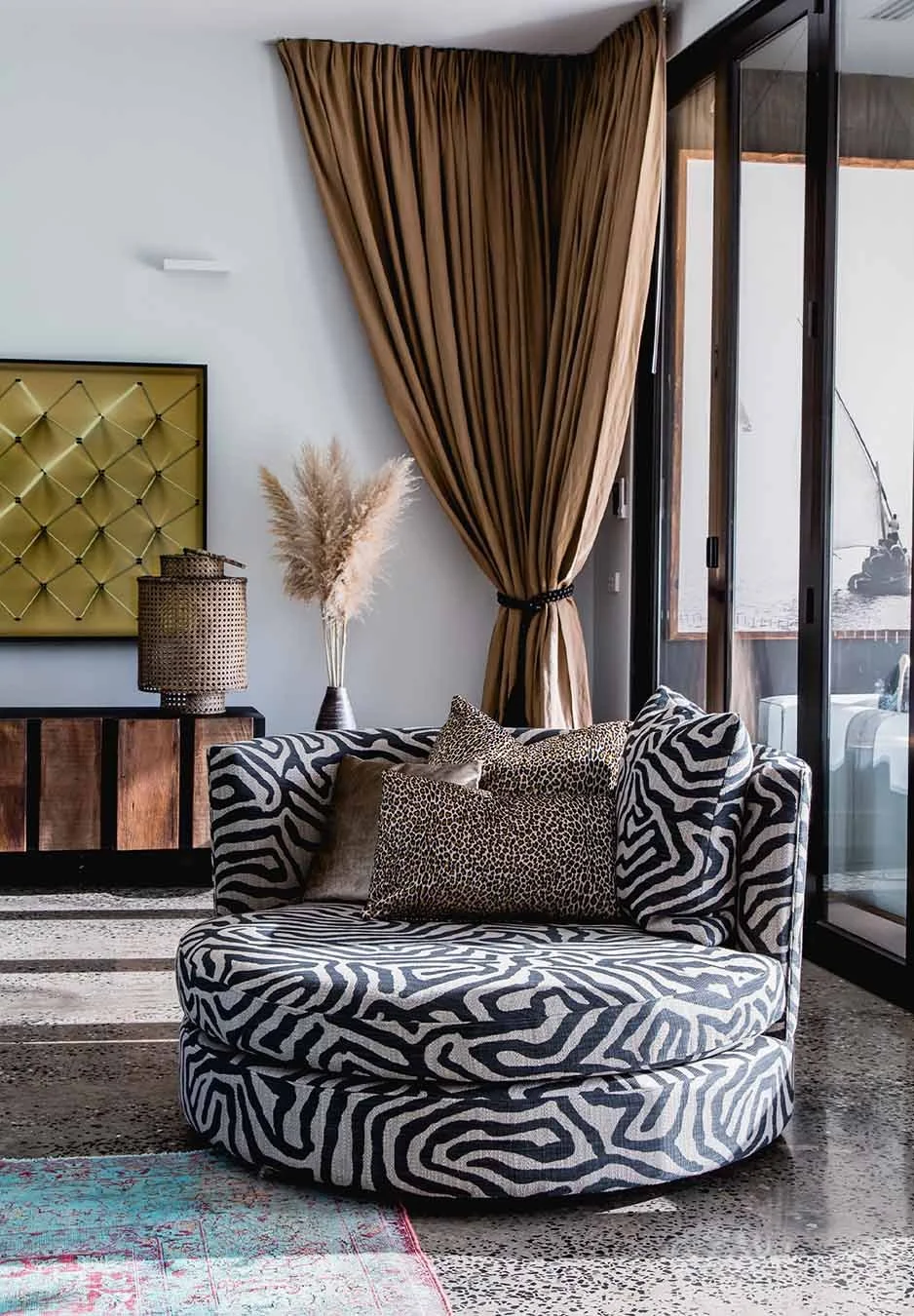
Furniture shapes the movement and comfort of a room. Sally considers proportion, circulation, natural light and focal points to guide placement and selection. When store-bought pieces don’t suit the space, she designs custom furniture to achieve the right fit, colour and storage.
Furniture placement
The position of furniture dictates the flow and cohesiveness of a room. Sally considers factors such as proportion, movement, natural light, and focal points to guide the selection and placement of each piece. Often, designing custom-made furniture specific to your requirements is the ultimate solution rather than sourcing from retailers.
Custom furniture design
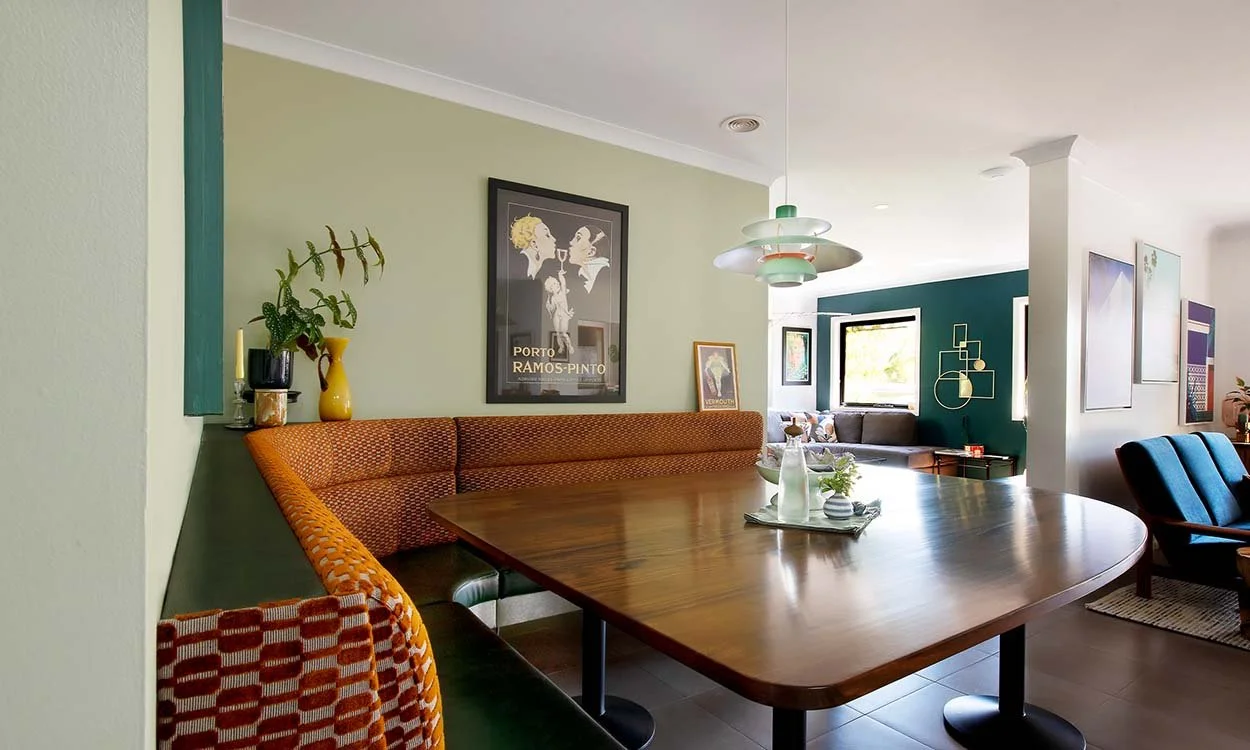
Bespoke furniture design gives you the flexibility to optimise your space and tailor dimensions, shapes, materials, and finishes to complement your design scheme.
Design Do’s
- Consider proportion before committing to large items
- Use furniture to enhance movement and connection
- Restore meaningful pieces where appropriate
- Harness natural light and guide key placements
- Choose materials that provide comfort and durability
Design Dont’s
- Crowd a room
- Interrupt natural flow or conversation areas
- Choose pieces without purpose
- Discard items that can be revived
- Block thoroughfares
Interior decoration and styling
Integrating artworks and decorative items is a powerful way to personalise your home. Collectables, original art, travel souvenirs, favourite books, family photographs, soft furnishings and ambient lighting all contribute to the mood and character of a space.
Home décor
Elements from more than one decorative style can work in harmony when they’re thoughtfully selected and combined. Sally works closely with you to identify, understand and refine your intuitive style.
Art and framing
Art appreciation is personal, but Sally will assist you in coordinating your art selection to complement your interior design. When sourcing art, size, orientation, colour palette, hanging method, and budget are all considerations.
Lighting design
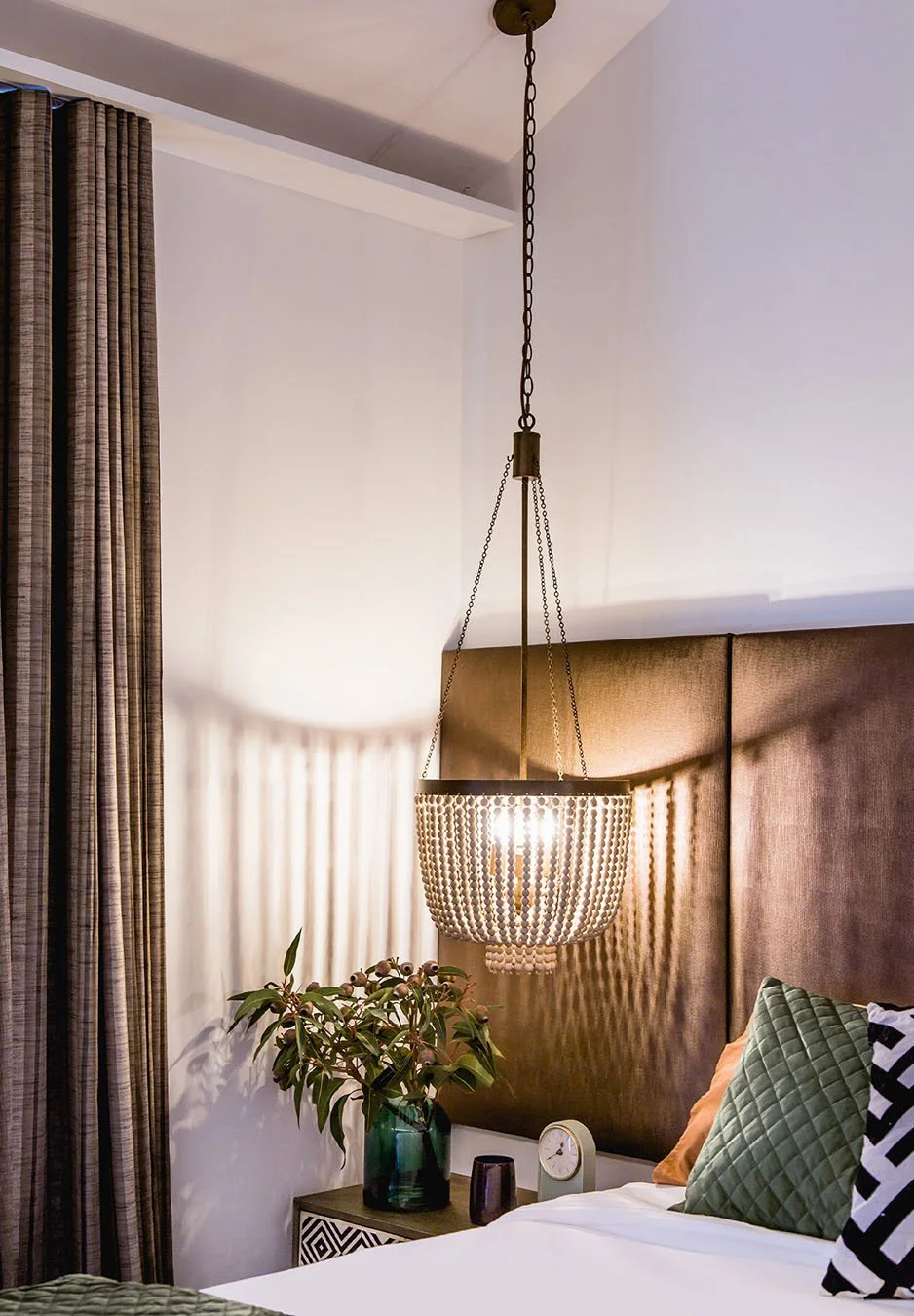
The shade's size, shape, material, strength, and colour temperature should suit the room’s function and atmosphere. Ambient lighting creates a sense of calm by gently washing light across a space. Task lighting, by contrast, provides stronger, focused illumination where clear vision is needed, such as for food preparation or reading. Used together, these layers offer flexibility and allow the lighting to adapt to how the room is used.
Design Do’s
- Choose décor that reflects your personality
- Use lighting and lamps for warmth and balance
- Invest in emotive, original art
- Use rugs to anchor furniture within your rooms
- Choose materials and finishes suited to their application
Design Dont’s
- Overstyle surfaces
- Hang art at awkward heights
- Use rugs that are too small
- Select décor that clashes with the room
- Rely only on overhead lighting
Soft furnishings
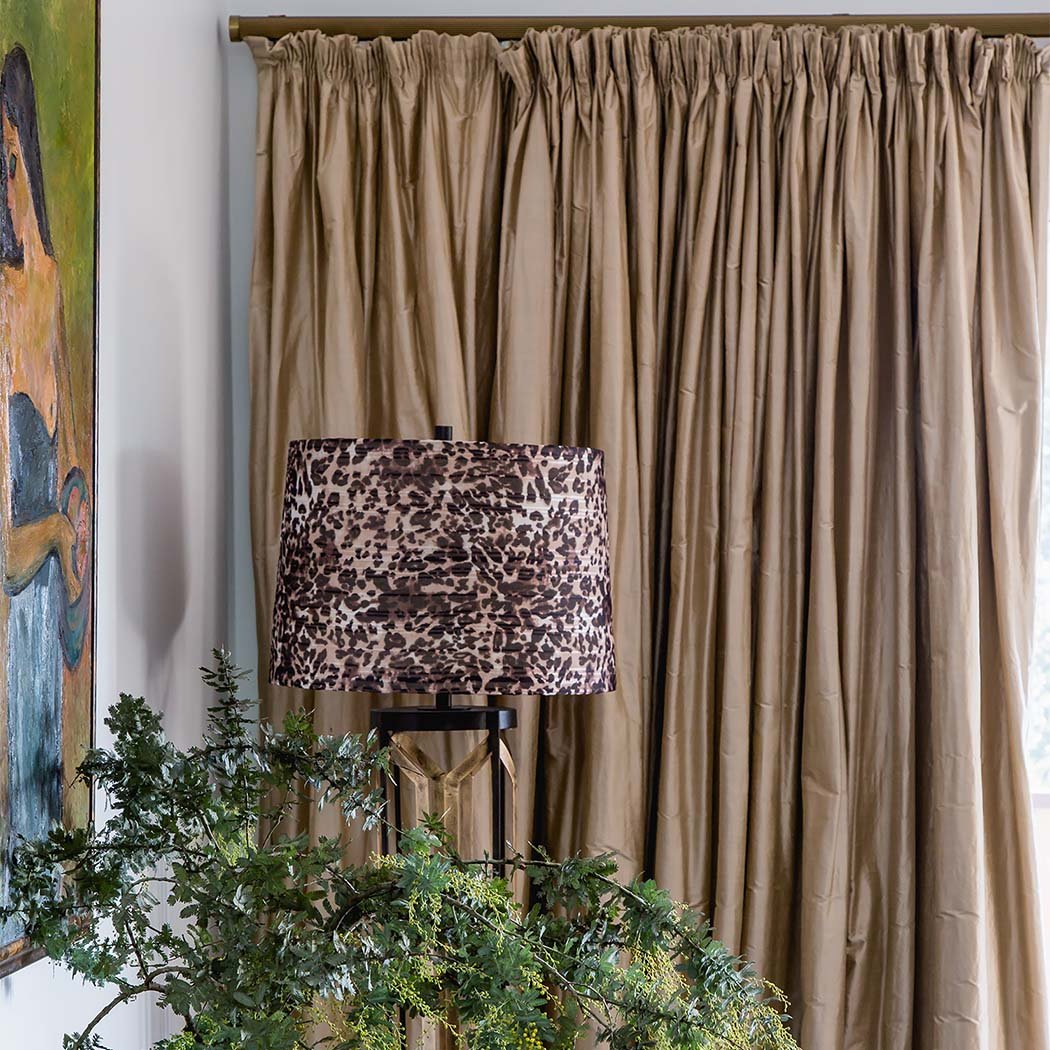
Cushions, throws, bedding, towels, and table linens bring colour, pattern and texture that provoke a tactile experience. Fabrics for curtains, blinds, and upholstered elements such as bedheads, ottomans, and seating are long-term investments, so their appeal and performance must endure.
Window furnishings
Window furnishings frame your view, adding colour, texture and movement. Providing practical benefits of privacy, blockout or light-filtering and acoustic or thermal insulation. The most effective or appropriate curtain or blind will suit the room's character and your home’s architectural style.
Fabric elements and textile layers
Fabrics and textiles can be used to add subtle accents or make bold statements within your interiors. Combining and layering elements throughout your home adds depth, texture, character, and comfort.
Design Do’s
- Invest in durable, high-performing fabrics
- Mix textures and finishes to add depth
- Choose window treatments that balance function and softness
- Select linens that support comfort and daily use
- Use upholstery to introduce warmth and tactile interest
Design Dont’s
- Shy away from mixing patterns and colours
- Choose fabrics that are difficult to maintain
- Cut corners on curtain making or installation
- Overcrowd seating with cushions
- Select blinds that are difficult to operate

Style your home
Interior decoration and styling often accompany a full renovation or new build, but they are also available as a stand-alone service. Get in touch if you’re looking to enhance or refresh your home décor.